Trusted insights, global impact – building a world where every learner can thrive.
View PDF
For more than 95 years, ACER has been driven by a single purpose – to improve learning for all.
Founded in 1930, ACER began as a small team of researchers determined to bring rigour and evidence to education and assessment. Over the decades, that commitment has evolved into a global mission – combining world-class assessment and research to help learners, educators and systems understand what works in education, and why.
View PDF
countries reached through assessments, research, capacity building and client delivery

total revenue across ACER globally.

staff working across Australia, India, Malaysia, the UAE and the UK

assessments and tests delivered across our product and services portfolio
STAT candidates assessed in Australia and Papua New Guinea

NAPLAN online tests analysed for over
students

PAT tests delivered to
students
tertiary and industry assessments delivered for adult and professional pathways
PISA 2025 test and questionnaire sessions managed across 50+ languages
Emeritus Professor Bill Louden AM
It has been a year of significant change at ACER, and a time to both reflect on our long history and consider the path ahead. The retirement of Professor Geoff Masters after more than 25 years as Chief Executive marked a turning point, as we welcomed Lisa Rodgers as our new Chief Executive.
When the Board sought a new CEO for ACER, we were looking for a leader with deep policy expertise, strong judgement, and a practical understanding of how education systems work. Lisa Rodgers brings all those qualities and more. In her first year, she has taken the time to understand ACER – its people, clients, and work – and has demonstrated strong leadership and the excellent judgement needed to deliver success and reach more learners in a new era for ACER.
Geoff has been the leading Australian thinker of his generation and an international figure in education. His career traces a remarkable arc, from the construction of measurement scales to the study of intellectual growth, to his later work on how schools and systems can best be organised to support improvement in learning. His ideas have influenced educational thinking here in Australia and across the world, and we have been fortunate to benefit from his scholarship and insight over many years. I would like to thank Geoff for his contribution and his long-standing commitment to improving learning.
When the Board sought a new CEO for ACER, we were looking for a leader with deep policy expertise, strong judgement, and a practical understanding of how education systems work. Lisa Rodgers brings all those qualities and more. In her first year, she has taken the time to understand ACER – its people, clients, and work – and has demonstrated strong leadership and the excellent judgement needed to deliver success and reach more learners in a new era for ACER.
From the Board’s perspective, our immediate focus is on returning ACER to financial sustainability. We must ensure our expenditure remains below our revenue, and that we generate surpluses to reinvest in the areas where ACER can make the greatest difference. This discipline allows us to sustain the work that truly matters: improving learning for all. It has been pleasing to see Lisa lead this work thoughtfully, developing a business transformation strategy that strengthens our financial position while modernising our products, services, technology and culture so we can expand our reach and impact.
Looking ahead, we have the opportunity to make a difference in the areas that really matter in education. I think of the kind of work we do for the Programme for International Student Assessment (PISA), such as- exploring learning in the digital world, strengthening students’ media and AI literacy, and helping young people build the broader skills that extend beyond literacy and numeracy. These are the outcomes of education that communities value deeply, and ACER is uniquely positioned to contribute to them.
When I think about our impact, what has impressed me most this year is how useful our assessments have been in guiding school improvement projects. In my own work in the remote Kimberley, we use ACER’s Progressive Achievement Tests (PAT) to track the growth of young learners. Teachers and school leaders trust PAT to provide the evidence and reassurance that their improvement efforts are delivering real gains for students.
For me, it always comes back to improving learning, especially for those who don’t get the easiest start in life. ACER’s distinctive contribution lies in using high-quality evidence to show what learners are ready to learn next, and in helping educators draw out that potential. That is what continues to inspire me, and what makes me proud to serve as Chair.
Finally, I would like to thank our clients, partners, and the many educators who work alongside us to advance learning across the globe. Most of all, I thank ACER’s dedicated staff whose expertise and commitment make this work possible every day.
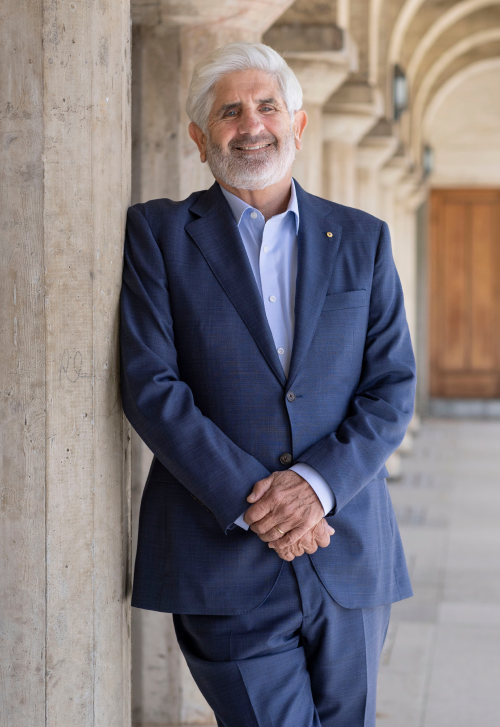

Lisa Rodgers PSM
I’m proud to present my first Annual Impact Report for the Australian Council for Educational Research (ACER). I joined ACER because I’ve long admired the way this organisation combines evidence with impact. More than twenty years ago, I called on ACER to help with an assessment challenge that no one else in the world could solve.
The precision of thinking and depth of purpose I saw then, and still see today, stayed with me. ACER is a place where research doesn’t sit on a shelf – it becomes practical tools and insights that help teachers teach and learners learn. That same connection between knowledge and practice has shaped my career, and it’s what continues to drive our work at ACER.
The precision of thinking and depth of purpose I saw then, and still see today, stayed with me. ACER is a place where research doesn’t sit on a shelf – it becomes practical tools and insights that help teachers teach and learners learn. That same connection between knowledge and practice has shaped my career, and it’s what continues to drive our work at ACER.
ACER’s purpose is simple. We are unified in our mission to improve learning for all.
We are a research company with a difference. We use our research to deliver tangible tools and solutions to educators, governments, international development agencies and industry. These tools are used every day, across the world.
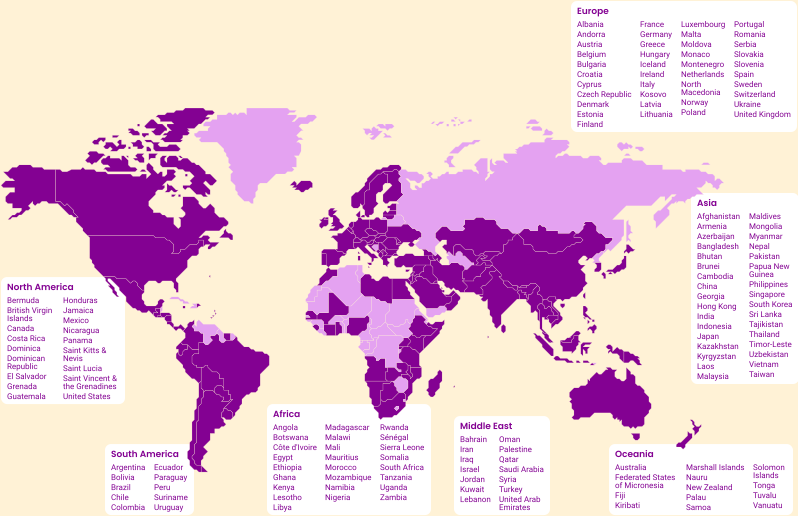
Our strength lies not only in what we know, but in how we translate that knowledge into action. We collaborate with partners in over 90 countries and economies, advancing educational outcomes for learners worldwide. This international experience informs our advice and design, enabling contextually responsive meaningful breakthroughs, placing the learner at the centre of our work.
This year, ACER farewelled Professor Geoff Masters AO as the CEO of ACER. Professor Masters, and his predecessors and colleagues have built a global research organisation, robust in its applied foundations of assessment and world-leading in its expertise and global impact.
It’s now time to carry forward our 95 years of impact and set our direction for the future.
Our roots are proudly Australian. We continue to work alongside First Nations partners to build an education system that serves First Nation learners. I am pleased to share strong progress on the Pre-School Outcomes Measure, designed in partnership with Ninti One, and the continued growth of work that supports First Nations educators. As our global footprint expands, we’re also increasing our work in and on country – ensuring local partnerships lay at the heart of what we do.
This year we completed testing across all 93 countries for the OECD Programme for International Student Assessment (PISA) 2025. The task is formidable and requires all countries and economies to embrace the complexities of online assessments, and in doing so, extending what we can learn about the readiness of 15-year-olds to tackle real-world challenges. This round of PISA also investigated the role of digital environments in shaping how students learn, reason, and engage with scientific information in making decisions and evaluating personal actions.
This work has driven our own evolution as we modernise how we work, strengthen our capabilities in technology and deepen our expertise in online assessment delivery and analytics. The benefits of this work get delivered back to our global clients to improve learning.
Our future lies in combining our evidence base, global experience, and the power of technology to deliver teaching and learning insights faster, with uncompromising quality.
We will harness artificial intelligence to amplify, not replace, our expertise; to provide richer insights faster; and to ensure every learner, teacher and policymaker benefits from the evidence we’ve built.
We’ve strengthened our leadership team and refined our structure so we’re focused on doing the things that only ACER can do – and doing them where we can have the greatest impact.
Our opportunity now is enormous. ACER holds 95 years of data about what learners know and can do. We can use that knowledge to identify where the gaps are, and to focus effort where it matters most.
ACER’s future is the calibre of our people, the strength of our leadership, and the trust we’ve earned with partners around the world. Together, we’re building on a proud legacy while shaping a modern, agile, and future-focused organisation.
Our work helps educators to educate, systems to improve, and learners thrive. That’s impact that matters – and that’s why I’m proud to lead ACER into its next era.
Bringing culture, language and learning together
Little J & Big Cuz has become one of Australia’s most innovative education initiatives for improving outcomes for First Nations children. Developed by ACER in close collaboration with Ned Lander Media, the animated television series was designed to help young First Nations learners transition confidently to school, while empowering educators to embed First Nations perspectives in the classroom.
Little J & Big Cuz has become one of Australia’s most innovative education initiatives for improving outcomes for First Nations children. Developed by ACER in close collaboration with Ned Lander Media, the animated television series was designed to help young First Nations learners transition confidently to school, while empowering educators to embed First Nations perspectives in the classroom.
Grounded in the principles of Learning with Country and First Nations worldviews, Little J & Big Cuz combines storytelling, cultural knowledge and evidence-based teaching resources. ACER worked closely with First Nations educators to develop more than 300 free curriculum-aligned classroom resources spanning the early years through to Foundation to Year 2 — including lesson plans, games and activities that connect teachers and children to Indigenous languages, stories and ways of knowing and doing.
Translated into 17 Indigenous languages and used in classrooms across Australia, the series promotes cultural pride, identity and belonging among Aboriginal and Torres Strait Islander children. Educators report that the series provides “teachable moments” that foster cultural awareness, language revitalisation, and wellbeing for children across the country. Its reach now extends beyond Australia through platforms including ABC, NITV and Netflix, supported by companion books, toys and learning tools.
Celebrated for its authenticity and impact, Little J & Big Cuz has been recognised with major awards including the TV Week Logie for Most Outstanding Children’s Program. Above all, it stands as a testament to the transformative power of culturally grounded education — helping every child see themselves, their culture and their country reflected in their learning.
ACER continues to support the development of Little J & Big Cuz through annual funding.

indigenous languages
- and counting!

national and international awards, including a TV Week Logie and ATOM Awards

free teaching resources aligned with the Australian Curriculum

episodes broadcast on NITV, ABC, Netflix and international networks
Multiple case studies showing improved school readiness, social-emotional development and engagement

Community-led translation projects across Australia empowering local language revitalisation

Our Mandate is what guides us at ACER – why we exist, where we’re going, and how we work together. It brings together our Purpose, Mission, Vision and Values to help us stay focused on what matters most: our impact, our people, and how we work as One ACER.
Purpose: To improve learning for all
Mission: We create and share evidence-informed insights and tools to improve learning for all
Vision: A world where every learner can thrive

We take accountability and lead with integrity, clarity and impact - helping guide others and shape learning systems through trusted insight

We pursue the highest standards in our work - bringing knowledge, quality and continuous improvement to every project, product or partnership

We are curious, responsive and open to change - adapting quickly and bringing creative thinking to the evolving needs of learners and clients

We act with care, kindness and professionalism - creating a culture of trust, inclusion and mutual respect in everything we do and for everyone we serve

We work together as ‘One ACER’ - sharing knowledge, supporting one another, and strengthening global impact by breaking down silos and working across boundaries
ACER's products and services are used in 151 countries around the world
Evidence-informed tools and services that improve learning for all across systems, schools, and communities.
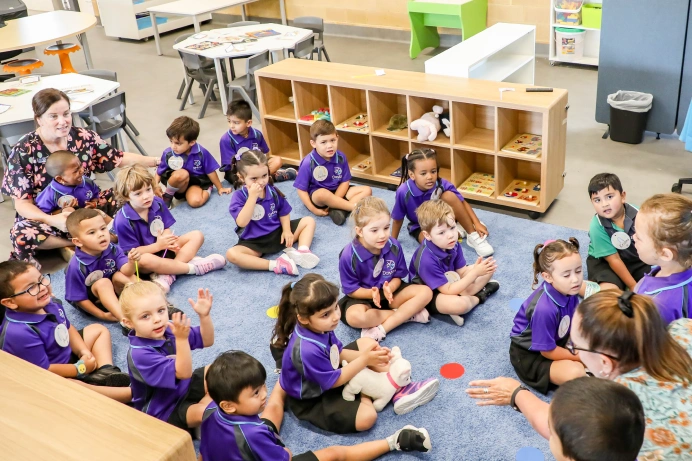

School and early learning assessments give educators clear, reliable insights into where each child is in their learning and what they need next.
School and early learning assessments give educators clear, reliable insights into where each child is in their learning and what they need next. Grounded in decades of research and validated by leading psychometric expertise, these tools track progress over time, highlight strengths and gaps, and guide targeted teaching. From early years to secondary schooling, they provide evidence teachers can trust to support every learner’s growth – whatever their starting point, curriculum or context.
Key products include:

Admissions and selection tests provide fair, reliable and evidence-based ways to identify individuals with the skills and attributes needed to succeed in further study and professional practice.
Admissions and selection tests provide fair, reliable and evidence-based ways to identify individuals with the skills and attributes needed to succeed in further study and professional practice. Designed by leading assessment experts and underpinned by rigorous psychometric validation, these tools support equitable entry into higher education, vocational pathways and regulated professions. They give candidates a trusted opportunity to demonstrate their readiness, and give institutions confidence in making high-stakes decisions that shape futures.
Key products include:

Work on global large-scale assessment programs provides governments and education systems with robust, internationally comparable evidence about how well students are learning.
Work on global large-scale assessment programs provides governments and education systems with robust, internationally comparable evidence about how well students are learning. Across design, development, implementation and reporting, our work delivers high-quality data that informs policy, supports system improvement and shines a light on equity, progress and opportunity. From national assessments to global studies such as PISA, TIMSS, PIRLS and TALIS, we help countries understand student achievement, monitor change over time and make decisions that improve learning for millions of young people.
Key services include:

Education research and policy work provides governments, NGOs and systems with independent, evidence-based insights to strengthen educational quality and equity.
Education research and policy work provides governments, NGOs and systems with independent, evidence-based insights to strengthen educational quality and equity. Our researchers investigate how learners develop, how teachers teach, and how systems perform, generating rigorous data that informs policy, guides reform and supports meaningful change from early childhood through to tertiary education. Through global partnerships and large-scale studies, we help education systems understand what works, why it works and how to improve outcomes for all learners.
Key products & services include:

Professional learning and capacity-building programs equip educators, leaders and institutions with the knowledge, skills and tools to improve teaching and learning.
Professional learning and capacity-building programs equip educators, leaders and institutions with the knowledge, skills and tools to improve teaching and learning. Drawing on world-leading research and deep expertise, we design training, frameworks and long-term partnerships that build capability within systems—particularly in low- and middle-income countries. Through workshops, coaching, technical assistance and global development initiatives we help education professionals apply evidence, strengthen practice and deliver better outcomes for the communities they serve.
Key products include:
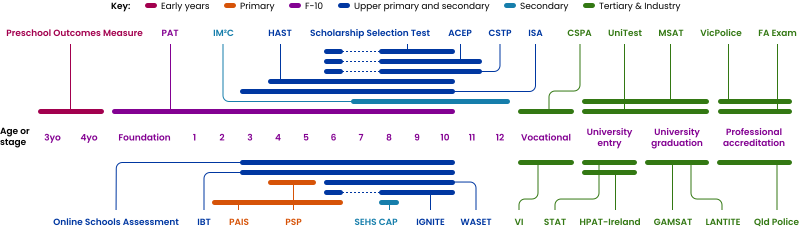
This selection of ACER products and services shows how we support learning across the lifespan.
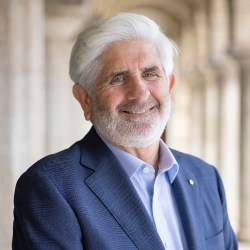
Emeritus Professor Bill Louden AM is a distinguished education leader with deep expertise in teacher preparation, curriculum reform and sector governance. As Emeritus Professor of Education at the University of Western Australia (formerly Senior Deputy Vice-Chancellor and Dean of Education), he has led major reviews in literacy, school leadership, professional standards and assessment systems. Bill has chaired both state and national educational authorities and advised governments on reform initiatives. As Chair of the ACER Board, he brings exceptional experience in evidence-based practice, system improvement and strategic stewardship to ensure ACER continues to drive high-quality research, policy and practice.
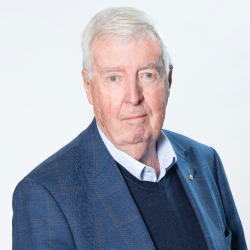
Geoff Newcombe AM is a highly respected figure in Australian education, recognised for more than 5 decades of dedicated service to improving outcomes for students and strengthening the non-government school sector. As Executive Director of the Association of Independent Schools NSW for 17 years, he led major reforms in school improvement, funding, governance and workforce capability. Geoff has held senior governance roles with TAFE NSW and the Non-Government Schools Superannuation Fund. His longstanding commitment and influence were acknowledged through the Sir Harold Wyndham Medal and his appointment as a Member of the Order of Australia. He brings deep expertise in finance, risk and regulation to his role as Deputy Chair of the ACER Board.

Lisa Rodgers PSM is a highly respected education leader with deep expertise in system reform, school improvement and evidence-informed practice. As Chief Executive Officer and a member of the ACER Board, she leads ACER’s global agenda to improve learning for all through independent evidence and insight. Lisa has held senior public leadership roles in both Australia and New Zealand, including Director General of the Western Australian Department of Education, CEO of AITSL, and Deputy Secretary in the New Zealand Ministry of Education. She is recognised for driving major reforms that have improved outcomes for children and young people and is the recipient of multiple national honours for service to education.

Kristine Dery is a leading researcher and advisor on digital transformation, workforce capability and the future of work. As an Academic Research Fellow with the MIT Sloan Center for Information Systems Research, she works with global organisations to help senior leaders and boards navigate the people and capability challenges of a digital world. Her work has shaped widely used frameworks on workforce future-readiness and employee experience. Kristine is a sought-after educator and keynote speaker, contributing to executive programs across multiple countries. She brings deep expertise in digital strategy and governance to her role as a non-executive director on the ACER Board.

Anthony McKay AM is an internationally recognised education leader with a distinguished career shaping policy, system reform and professional learning across Australia and globally. He is Chair and former CEO of the National Center on Education and the Economy in Washington DC, and has held senior advisory and governance roles with the OECD, WISE and major international networks. Anthony was the inaugural Chair of AITSL and Deputy Chair of ACARA, and has led multiple organisations focused on innovation in learning. As a long-standing ACER Board Director and former Chair, he brings deep expertise in global education systems and high-performing workforce development.

David Sacks is an experienced executive and advisor with deep expertise in organisational transformation, digital strategy and large-scale change across the public and private sectors. As former Managing Director of Scyne Advisory, he led the successful carve-out and transition of PwC’s public sector advisory business into a standalone organisation. David previously spent more than a decade as a Partner at PwC Australia, where he held senior leadership roles and advised governments, universities and major organisations on strategy, digital transformation and risk. He brings strong commercial, advisory and governance capability to the ACER Board.

Professor Martin Westwell is an influential system leader driven by an unrelenting belief that every child and young person should learn, achieve, thrive and prosper. As Chief Executive of the South Australian Department for Education, he has brought sharper purpose and evidence-informed practice to the state’s schools and preschools, helping educators make decisions that deliver real impact. Martin has led major reforms in wellbeing, curriculum, technical education and the use of generative AI for learning, working closely with communities across metropolitan, regional and remote areas. With an academic background at Cambridge, Oxford and Flinders universities, he brings deep expertise and a strong moral purpose to the ACER Board.

Dr Nathan Zoanetti is a nationally and internationally recognised leader in educational measurement, with deep expertise in psychometrics, assessment design and data analytics. His career spans government, research and academia, including senior roles with the Victorian Curriculum and Assessment Authority and the University of Melbourne. Nathan has contributed to global assessment innovation through expert advisory roles with the OECD’s PISA Creative Thinking Expert Group and England’s Standards and Testing Agency. As Head of ACER’s Measurement, Analytics and Technologies Division, and a member of the ACER Board, he brings strong methodological leadership and a commitment to advancing high-quality, technology-enabled assessment.

Andrew Cameron is an experienced finance executive with nearly 2 decades of leadership at ACER, bringing deep knowledge of the organisation’s operations, commercial activity and global footprint. As Chief FinanceOfficer, he oversees ACER’s financial strategy, risk management and commercial performance across Australia, India, Malaysia, UAE and the UK. Andrew has extensive experience managing complex research and assessment portfolios, guiding major projects, and strengthening financial systems and accountability. His expertise in forecasting, commercial analysis and strategic planning supports ACER’s long-term sustainability and ensures resources are aligned to the organisation’s mission to improve learning for all.
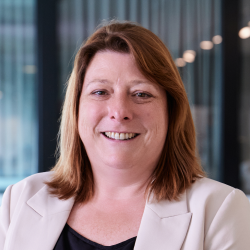
Jo Brown is a highly experienced People & Culture executive with deep expertise in organisational development, workforce strategy and cultural transformation. As Chief People Officer at ACER, she leads initiatives that strengthen employee experience, modernise HR systems and support the organisation through periods of significant change. Jo oversees enterprise-wide people strategies, wellbeing and leadership development programs, and the ongoing evolution of ACER’s culture. She has guided major organisational shifts, including the transition to remote work during COVID-19 and the implementation of ACER’s integrated HR platform. Under her leadership, ACER has been recognised as an AFR Best Place to Work and received the Voice Project Change Champion Award.

Dr Alisdair Daws is an experienced technology leader specialising in educational assessment platforms, with a track record across national and international programs. He has contributed to ACER’s work on the OECD’s PISA and IELS programs, as well as several National Assessment Programs in countries from Australia and Scotland to Afghanistan and the United Arab Emirates. He has overseen the design, development, and delivery of computer-based assessment systems which help educators around the world to understand the needs of their learners.Before joining ACER, Alisdair lectured in Computer Science at RMIT University.

Dr Dan Edwards is a respected education researcher and leader with extensive experience in policy, assessment and system-level analysis. As Head of ACER’s Education Research, Policy & Development Division, he oversees multidisciplinary programs spanning early childhood through to vocational and higher education, guiding research that informs evidence-based policy and practice. Dan has held significant national roles, including as a former ACER Board Director and member of the Australian Government’s Equity in Higher Education Panel. His research has shaped understanding of student pathways, graduate outcomes and higher education participation, and he is an Honorary Senior Fellow at the University of Melbourne.
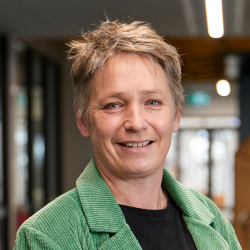
Dr Eveline Gebhardt is an experienced psychometrician and research leader with deep expertise in large-scale assessment, data analysis and measurement methodology. As Head of ACER’s Assessment Development, Implementation & Reporting Division, she oversees the development and delivery of high-quality national and international assessments that inform learning and system improvement. Ev previously held senior roles at ACARA and has led analytical and methodological work for major studies including PISA, ICILS and multiple national and international surveys. She has extensive experience in item response theory, sampling, questionnaire design and multilevel modelling, and is recognised for her ability to translate complex measurement approaches for diverse audiences.

Dr Jarrod Hingston is an experienced education leader with expertise in student assessment, policy and large-scale program delivery. As Head of ACER’s School Learning and Progress Division, he oversees more than 30 programs that support schools to use evidence to improve teaching and learning. Jarrod has held senior roles across Australia and the Middle East, including leading the Abu Dhabi Education Council’s Student Assessment and Examinations Division, where he managed national assessments and major international studies such as PISA, TIMSS and PIRLS. He later advised the Victorian Department of Education on the transition to online national and classroom assessment.
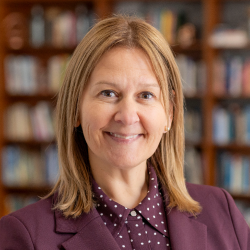
Di Konstantinou is an experienced governance and legal leader with rich expertise in organisational accountability, legislative reform and executive advisory. As Company Secretary and Head of Legal, Governance & Assurance, she oversees ACER’s global governance framework, board and committee operations, risk and compliance systems, and key regulatory obligations across multiple jurisdictions. Di brings more than 2 decades of senior public sector experience, including leading major legislative reforms, complex policy agendas and high-stakes strategic initiatives for the WA Government. She is recognised for her strong leadership, integrity and ability to guide organisations through transformation with clarity, rigour and assurance.

Kristy McGrath is an experienced executive in strategy, business transformation and marketing and corporate communications, with more than 2 decades leading major change across the resources, utilities and infrastructure sectors. She has shaped large-scale organisational reforms, complex technology and market transitions, cultural transformation programs, and high-stakes reputation and stakeholder strategies for ASX50 organisations. Kristy brings deep expertise in brand leadership, strategic communication and executive advisory roles in complex, fast-paced environments. As Chief Marketing Officer at ACER, she leads integrated strategies that strengthen ACER’s global brand, support its business transformation, and amplify its impact on education systems.

Lisa Norris is a respected leader in tertiary and professional education services, with nearly 2 decades of experience delivering high-stakes assessment programs and capability solutions for industry, government and education providers. As Head of ACER’s Tertiary and Industry Tools (TaIT) Division, she oversees the development and delivery of high-quality admissions, selection and professional accreditation assessments that support fair access, workforce capability and learner success. Lisa has held senior roles across ACER in vocational, workplace and philanthropic programs, including working as the Director for ACER Foundation. She is known for her strong stakeholder partnerships, program leadership and focus on improving outcomes for adult learners.